


Sash Window Repair
Add a review FollowOverview
-
Founded Date October 18, 1966
-
Sectors Education Training
-
Posted Jobs 0
-
Viewed 23
Company Description
Here’s A Few Facts Regarding Door Repairs
UPVC Door Repairs: A Comprehensive Guide for Homeowners
UPVC (Unplasticized Polyvinyl Chloride) doors have actually gained significant popularity due to their sturdiness, energy efficiency, and low maintenance requirements. However, like any home feature, they are not immune to use and tear. Property owners might deal with issues varying from minor changes to significant repairs that need specialized attention. This post aims to supply a detailed summary of typical UPVC door issues, how to resolve them, and when to think about professional assistance.
Typical UPVC Door Problems
The initial step in repairing a UPVC door is recognizing the concern. Below are some typical issues that accompany UPVC doors:
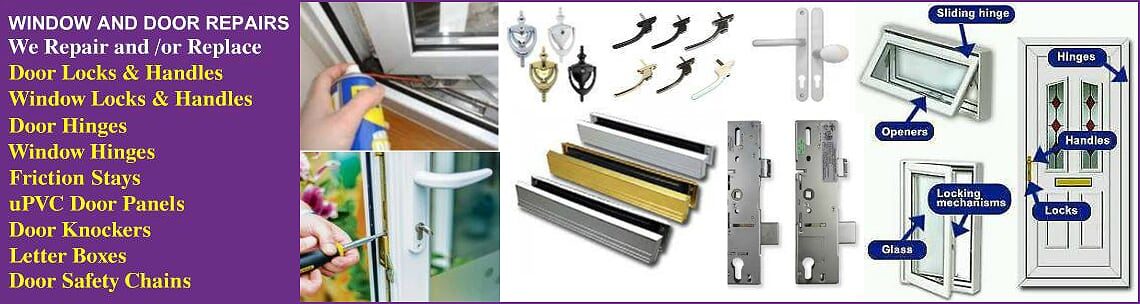
- Difficulty in Closing or Opening: Often triggered by misalignment or swelling due to moisture.
- Lock Problems: This can range from a jammed lock to a complete failure of the locking system.
- Drafts and Inadequate Insulation: A bad seal around the door triggers energy loss.
- Physical Damage: Dents, scratches, or fractures from physical effect or environmental factors.
- Worn Weather Seals: This can lead to drafts and moisture seeping into the home.
Table 1: Common Issues with UPVC Doors
| Issue | Symptoms | Possible Causes |
|---|---|---|
| Difficulty in Closing/Open | Door feels stiff or won’t close completely | Misalignment, wetness swelling |
| Lock Issues | Lock jammed or can not engage | Rusty components, misalignment |
| Drafts | Feeling cold air around the door | Used seals, poor installation |
| Physical Damage | Visible dents or cracks | Effect, severe weather condition |
| Worn Weather Seals | Water or air leakage | Age, absence of maintenance |
Do It Yourself Repair Techniques
Lots of UPVC door repairs can be tackled by homeowners with standard handyman skills. Here are some typical DIY strategies:
1. Adjusting The Door Alignment
Misalignment can occur due to the natural settling of the home or environmental elements. To align the door:
-
Tools Needed: Screwdriver, level.
-
Steps:
- Check the hinges for loose screws.
- Tighten up any loose screws you find.
- Utilize a spirit level to evaluate the door’s vertical positioning and change the hinges to fix any discrepancies.
2. Lubricating Locks and Hinges
A sticky lock or hinge can be repaired quickly through lubrication:
-
Tools Needed: Lubricant (like silicone spray), fabric.
-
Actions:
- Clean the lock and hinge with a cloth.
- Spray lubricant into the lock and on the hinge to decrease friction.
- Move the door back and forth to include the lubricant.
3. Changing Weather Seals
Worn seals add to energy inefficiency. Follow these steps to replace them:
-
Tools Needed: Utility knife, weather seal tape.
-
Steps:
- Remove the old seal using an energy knife.
- Clean the area where the seal was positioned.
- Cut the brand-new weather seal to fit and apply it along the door frame, guaranteeing a tight fit without gaps.
When to Call a Professional
While some problems can be attended to through DIY methods, others require professional know-how. Consider getting in touch with a specialist for:
- Significant Damage: If the door is extensively harmed or distorted.
- Complex Lock Mechanisms: If the locking system stops working or has actually jammed entirely.
- Multiple Issues: If the door presents several issues at when, professional examination might be essential.
Frequently asked questions
1. How often should I carry out maintenance on my UPVC door?
It is a good idea to check your UPVC door a minimum of two times a year for wear and tear, especially before and after extreme weather conditions.
2. Can I paint my UPVC door?
Yes, you can paint UPVC doors utilizing a specifically formulated paint designed for plastic surface areas.
3. What is the life expectancy of a UPVC door?
With correct care and maintenance, a UPVC door can last 20-30 years, which is substantially longer than conventional wooden doors.
4. Are UPVC doors eco-friendly?
UPVC doors can be recycled at the end of their life cycle, making them an environment-friendly alternative compared to materials that are not recyclable.
5. How can I improve the insulation of my UPVC door?
Changing old weather seals, guaranteeing correct positioning, and adding a threshold strip can all boost the insulation of your UPVC door.
UPVC doors are a reputable and low-maintenance alternative for homeowners, but they are not unsusceptible to concerns occurring from everyday use, environmental factors, and age. Comprehending common issues and implementing standard repair methods can extend the life of these doors and guarantee they continue to function successfully. Nevertheless, for more intricate problems, consulting with a professional ensures that repairs are conducted properly, keeping the door’s efficiency and security. By being proactive and mindful to the condition of your UPVC doors, homeowners can delight in the advantages of these durable components for several years to come.